
|
|
||||||||||||||||||


| 2026-2027 Electoral Calendar, latest official version |

|
 |
|
|
|
|
|
|
|||||
|
|
Haiti - FLASH : Towards a critical situation of child malnutrition in Haiti, between December 2026 and May 2027 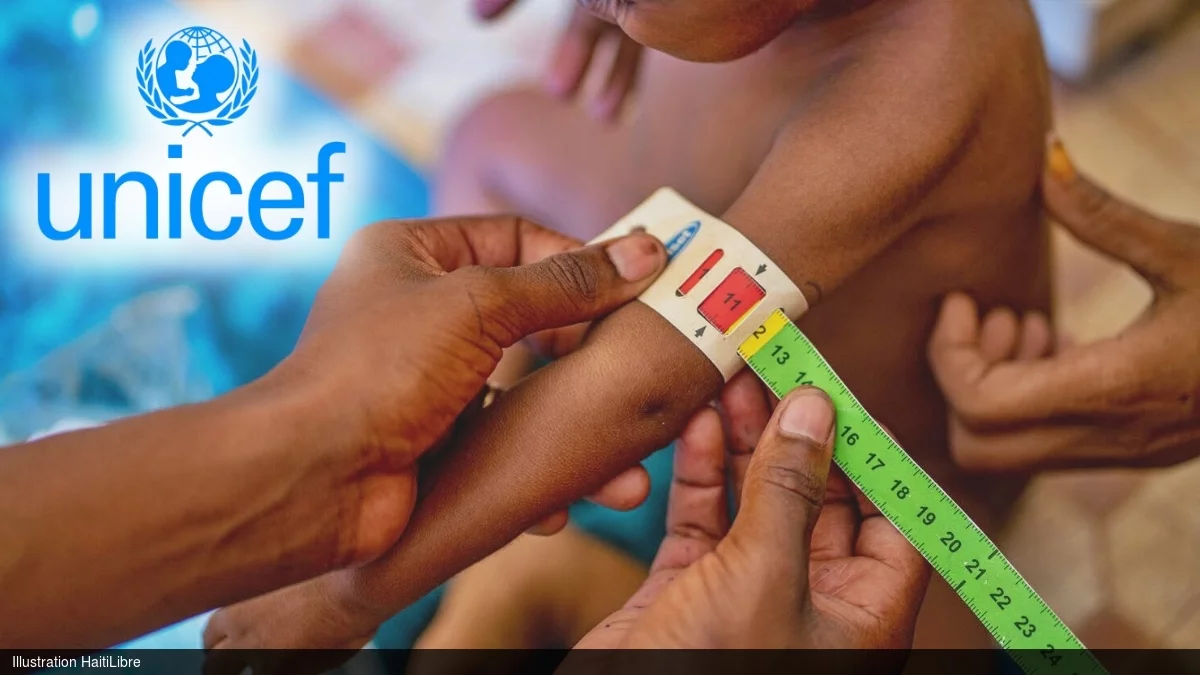
Thursday, September 17, 2026. An analysis conducted by the Ministry of Public Health with the support of UNICEF, the Food and Agriculture Organization of the United Nations (FAO), the World Food Programme (WFP), the World Health Organization (WHO), and nutrition partners reveals that at least 253,725 children aged 6 to 59 months in Haiti are projected to suffer from acute malnutrition between June 2026 and May 2027, including nearly 94,000 with severe acute malnutrition, while ongoing violence perpetrated by armed groups threatens to further worsen the situation. This analysis identifies the areas where the needs are most urgent. The projected deterioration of the situation is expected to increase the need for care in a growing number of communities, placing additional strain on services that many families already struggle to access. The analysis, conducted by the Haitian Ministry of Public Health and Population (MSPP) with the support of its nutrition partners, highlights the areas where additional assistance is most urgently needed. The projected deterioration of the situation will lead to increased demand for care in a greater number of communities, placing even greater strain on services that many families already struggle to access. Without prompt intervention, severe acute malnutrition can be life-threatening. An additional 159,852 children are expected to suffer from moderate acute malnutrition, while 25,750 pregnant and breastfeeding women will require nutritional support. Between December 2026 and May 2027, 29 out of 140 communes are projected to reach IPC Phase 3 for acute malnutrition, corresponding to severe levels of acute malnutrition, while Cité Soleil and Cabaret are expected to reach Phase 4, corresponding to a critical situation. This is the second-highest level on the IPC scale for acute malnutrition, which indicates very high levels of acute malnutrition and an increased risk of illness and death in affected children. "The rapidly deteriorating situation is a stark reminder that investing in malnutrition prevention is not an expense, but a strategic investment in Haiti’s future," said Lauren Landis, Representative and Country Director of the World Food Programme (WFP) in Haiti. As the situation is expected to worsen between December 2026 and May 2027, UNICEF, FAO, and WFP are calling on the Haitian government, donors, civil society, international organizations, and all partners working in the areas of health, nutrition, water, sanitation, and food security to take immediate action to strengthen care and prevent more children from suffering from malnutrition: • Strengthen prevention and care, prioritizing communities where the situation is expected to deteriorate, through community-based screening, rapid treatment, provision of therapeutic foods, and nutritional support for pregnant and breastfeeding women. • Support nutritious diets and access to essential services by linking maternal and child nutrition interventions with access to safe drinking water, sanitation, healthcare, and measures to protect food production and household livelihoods. • Ensure safe access and immediate, flexible funding to enable families to access care and the government and all partners to deliver necessary supplies, prepare for increased needs, and sustain the response. "Preventing acute malnutrition requires addressing not only its immediate consequences but also its root causes," said Pierre Vauthier, FAO Representative in Haiti. "Families must have access to and be able to produce a diverse and nutritious diet. By protecting agricultural livelihoods and strengthening local food production, we can help vulnerable households meet their nutritional needs, better withstand future crises, and reduce their dependence on humanitarian aid." "The rapidly deteriorating situation is a stark reminder that investing in malnutrition prevention is not an expense, but a strategic investment in Haiti’s future," said Lauren Landis, WFP Representative in Haiti and Country Director. Faced with a situation that is expected to worsen, UNICEF, FAO, and WFP are calling on the Haitian government, donors, civil society, international organizations, and all partners working in the areas of health, nutrition, water, hygiene, and food security to act immediately to expand treatment and prevent child malnutrition: Intensify prevention and treatment, prioritizing municipalities where the situation is expected to deteriorate, through community screenings, rapid care, distribution of therapeutic foods, and nutritional support for pregnant and breastfeeding women. Image caption :UNICEF HL/ S/ HaitiLibre
|
|









|
|
Why HaitiLibre ? |
Contact us |
Français
Copyright © 2010 - 2026 Haitilibre.com |