
|
|
||||||||||||||||||


| 2026-2027 Electoral Calendar, latest official version |

|
 |
|
|
|
|
|
|
|||||||
|
|
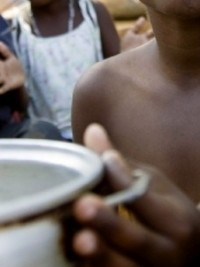
Haiti - Social : Food Alert, more than 3 million affected in Haiti
The situation of food insecurity in Haiti has worsened in recent months due to the convergence of multiple factors combined with structural causes that characterize the Haitian agriculture (land issues, lack of effective and maintained irrigation systems, erosion, etc.). Indeed, the effects of drought and rising prices of basic food products have particularly affected the poorest households. The latest estimates of the CNSA (National Coordination for Food Security) reported that about 3 million Haitians have difficulty in meeting their basic food needs. Thus, with the upward trend in prices of basic foods, combined with the depreciation of the local currency (1 US dollar is traded now at about 56 gourdes), families tend to resort to coping strategies such as: selling immature livestock, cutting trees in fragile areas and often to reduce the number of daily meals. The CNSA estimates that about 820,000 people currently live in severe food insecurity. This is an increase compared to 2014 when 600,000 people were in this category. The situation could worsen if urgent initiatives and structural recovery measures are not implemented at the beginning of 2016 before the next harvest season starts. Indeed, there are risks for these 820,000 people to drift from IPC phase 3/Crisis (Value indicating the scale of food insecurity phases) to phase 4/Emergency if no appropriate measures are taken in time. In 2015, irregular rains exacerbated the already dire conditions in many parts of the country, especially in the North West, Artibonite, Centre, South and South East departments. According the National Coordination for Food Security (CNSA), the spring crop, which represents more than 50 percent of the national annual production, has fell down below average, with losses up to 60 percent. Humanitarian partners are responding by providing emergency food aid, including by strengthening nutritional surveillance at community level, managing acute and severe malnutrition programs, as well as improving access to food aid and school feeding. Besides initiatives to address structural challenges, the 820,000 most vulnerable people must benefit from relief initiatives, such as: targeted food distributions; distribution of seeds, livestock, tools and other agricultural supplies; implementation of Cash-for-Food activities and Cash-for-Work; access to food stamps systems in the most affected areas among others. HL/ HaitiLibre
|
|









|
|
Why HaitiLibre ? |
Contact us |
Français
Copyright © 2010 - 2026 Haitilibre.com |