
|
|
||||||||||||||||||


| 2026-2027 Electoral Calendar, latest official version |

|
 |
|
|
|
|
|
|
|||||||
|
|
Haiti - Health : Drinking water crisis in Haiti
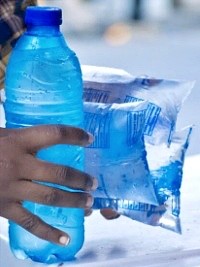
The Ecological Intervention Group Écovert-Haiti warns that the drinking water crisis in Haiti has reached a critical point, directly threatening public health and national security. Between systemic pollution of water resources and the failure of state regulation, Écovert-Haiti expresses its deep concern and denounces the Ministry of Commerce and Industry's (MCI) clear failure in its mission to protect consumers. In the absence of environmental assessment policies and the protection of recharge areas, the country's water resources, from springs to groundwater, are suffering massive contamination. The degradation of watersheds due to unregulated agricultural practices, haphazard construction, and the lack of adequate sanitation systems (leaky latrines and septic tanks) promotes the infiltration of fecal matter and chemical residues into groundwater. Adding to this health crisis is the uncontrolled growth of the plastic sachet and bottled water industry since the 2000s. Without regulation or recycling, this sector has become the primary source of the plastic pollution that now clogs our streets, sewers, and coastlines, exacerbating the risks of flooding and waterborne diseases. The failure of regulation and public services. Écovert-Haiti highlights the chronic inability of the National Directorate of Drinking Water and Sanitation (DINEPA) to serve a population of over 12 million citizens. This institutional void has left the field open to an informal private sector and production companies whose technology is often insufficient to guarantee the potability of the water. In the metropolitan area, DINEPA covers only 20% of drinking water needs, forcing households and even the highest levels of government to rely on tanker trucks for supplies. Écovert-Haiti is astonished by the recent statements of James Monazar, Minister of Commerce and Industry, denouncing the consumption of contaminated water (https://www.haitilibre.com/en/news-46769-haiti-news-zapping.html and https://www.icihaiti.com/en/news-46754-icihaiti-health-more-than-92-of-treated-water-sachets-analyzed-do-not-meet-standards.html). How can it be explained that the two institutions under his supervision, the Directorate of Quality Control (DCQ) and the Haitian Bureau of Standards (BHN), have remained inactive for more than 20 years? asks Écovert-Haiti. Faced with this public health hazard and ecological threat, Écovert-Haiti, which is working voluntarily alongside the Ministry of Commerce and Industry (MCI) and the Ministry of the Environment within the BHN's Sanitation and Environment Commission for the adoption of national standards, recommends : 1- The immediate application of the standards adopted by the BHN and the effective implementation of regulatory protocols, in order to overcome administrative inertia; 2- A rigorous land-use planning policy aimed at protecting recharge areas and groundwater from fecal and chemical contamination; 3- Strengthening technical oversight of water treatment companies and tanker trucks, with regular inspections and penalties for non-compliance; 4- A transition to restorative management of aquatic ecosystems at the national level, including in provincial cities where the situation is equally alarming; 5. Recognition of drinking water as a fundamental right, requiring transparent, participatory, and sustainable governance. HL/ HaitiLibre
|
|







|
|
Why HaitiLibre ? |
Contact us |
Français
Copyright © 2010 - 2026 Haitilibre.com |